Trump Walks Out of Network Interview After Heated Exchange on Election Integrity
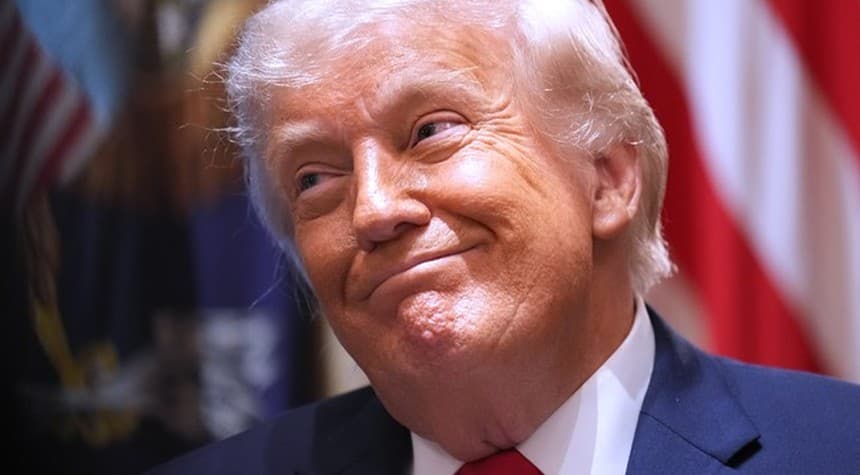
There are moments in journalism when the story becomes the interview itself, and what unfolded during President Donald Trump's recent sit-down with a network correspondent falls squarely into that category.
The interview, which took place after the president sat through inclement weather for the better part of an hour, started on familiar ground but quickly veered into territory that has defined much of the relationship between this administration and the mainstream press.
When the conversation turned to election integrity, Trump did not mince words. He made it abundantly clear that he believes the media has played an active role in dismissing legitimate concerns about how elections are conducted in this country. The president pointed to what he described as deliberate editorial choices that have shaped public perception while ignoring evidence that deserves scrutiny.
"You play right into their hands with this stuff," Trump told the correspondent. "You know that these elections are rigged. Your network knows that they're rigged. Do you know that I won an election in a landslide and I got 94% bad press."
The reporter attempted to steer the discussion toward Acting Attorney General Todd Blanche, but Trump was not interested in changing course. He pressed forward with his argument, insisting that the evidence surrounding election irregularities has been substantial and systematically overlooked.
"You have more evidence, there's more evidence than ever presented," the president said. "Your elections in this country, we're like a third world country. Your elections are crooked and you're crooked, and the network is crooked."
He expanded his criticism beyond the single outlet, naming other major networks and calling them one-sided. Then came the moment that will likely be replayed and debated for days to come.
"Sorry. Let's call it quits because I've had enough," Trump said. "Thank you, darling. Have a good time."
The correspondent, realizing the interview was slipping away, attempted to salvage the situation by reminding the president of the logistics involved in arranging the meeting. She mentioned traveling to Wisconsin specifically for the conversation.
Trump was unmoved. He pointed out that he had already sat with her in the rain and given her sufficient time. Then he delivered what may have been the most significant line of the entire exchange.
"You ought to straighten out your press," he said, "because you know what? A country can never be great with a dishonest press."
The correspondent continued to plead her case, repeating that she had flown across the country for the interview. But the president's decision was final, and he departed.
Now, it is worth noting that the predictable response from much of the media establishment will likely frame this as the president avoiding difficult questions or displaying temperament issues. That narrative practically writes itself in certain newsrooms.
But the substance of what Trump said deserves consideration beyond the theatrics of the walkout itself. His central argument was not about dodging accountability but about challenging the very institutions that claim to hold power accountable. Whether one agrees with his assessment or not, the question he raised about the role of the press in a functioning democracy is one that resonates with millions of Americans who have grown skeptical of how news is gathered, framed, and presented.
The footage speaks for itself, and viewers would do well to watch the full exchange rather than rely on secondhand characterizations. What is clear is that this president remains willing to confront the media directly, even when it means walking away from a platform that most politicians would never abandon.
Related: Trump Administration Directs $500 Million to Rescue Coal Industry Across Ten States