Swalwell Donors Demand Return of $1.5 Million as Sexual Assault Allegations Mount
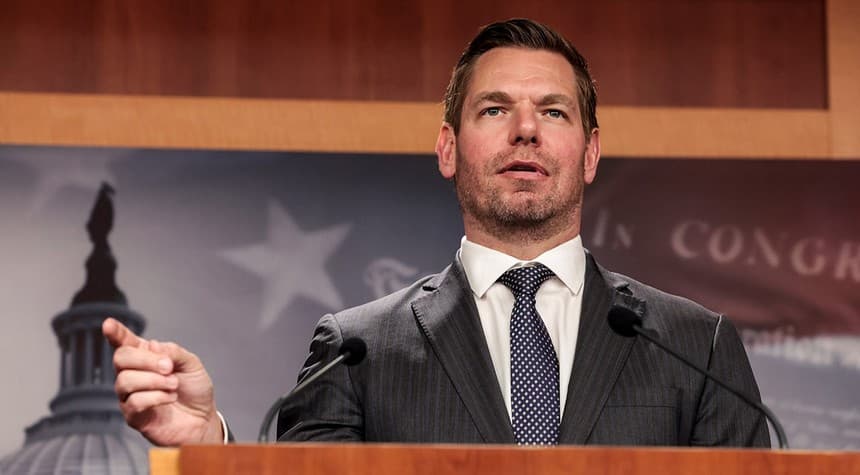
The political unraveling of former California Congressman Eric Swalwell has taken a turn that ought to make any observer of American politics sit up and take notice. What we are witnessing is not merely the collapse of a gubernatorial campaign, but a full-scale financial reckoning that raises serious questions about campaign finance, personal accountability, and the public trust.
More than 200 donors are now demanding refunds totaling over $1.5 million from Swalwell's gubernatorial campaign, according to internal campaign documents. These are not casual supporters having second thoughts. These are Americans who believed in a candidate and now want their money back after allegations of sexual assault surfaced against the former Democratic congressman.
The timing and the numbers tell a story that demands scrutiny. When the first allegations emerged in early April, Swalwell's campaign held approximately $4 million in cash. Shortly after his campaign collapsed, Swalwell took the unusual step of making himself treasurer of his own campaign committee, effectively giving himself the keys to the vault. He then continued soliciting donations even after news of the alleged sexual assaults became public, raising nearly $200,000 more.
Campaign finance records reveal that Swalwell is using what remains of his war chest to pay attorneys defending him against the sexual assault claims. This raises a critical legal question under California state law, which requires that campaign funds spent on legal expenses must be directly related to an individual's status as an elected official or candidate. Swalwell, however, has resigned from Congress and suspended his gubernatorial campaign.
Federal financial disclosures paint a picture of a man facing significant personal financial pressures. Swalwell carries up to $100,000 in student loan debt, between $30,000 and $100,000 in credit card debt, and a mortgage debt that could reach $5 million.
Legal experts suggest Swalwell will likely argue that the women only came forward because of his gubernatorial candidacy, thereby justifying the use of campaign funds for his legal defense. If he is found liable for sexual misconduct, he may be required to reimburse his donors.
The allegations themselves are serious and disturbing. Of the first four women to accuse Swalwell of sexual misconduct, one alleges rape, others claim he sent unwanted explicit images, and another says he kissed and touched her without consent. A fifth woman came forward the day after Swalwell announced his resignation from the House of Representatives on April 14.
Swalwell has denied the allegations, stating they are "flat false" and declaring he will "fight them with everything that I have." He acknowledged making "mistakes in judgement" in his past, but said those mistakes are between him and his wife.
The refund requests represent more than just a financial setback. They represent a loss of faith, a withdrawal of support from people who believed in a candidate and now feel compelled to distance themselves from him in the most concrete way possible—by demanding their money back.
This is a story that will continue to develop, and the questions it raises about campaign finance, personal conduct, and political accountability deserve answers. The American people have a right to know how their contributions are being used, and whether the system designed to regulate such matters is working as intended.
Related: Georgia GOP Candidate Rick Jackson Caught in Contradictions Over Illegal Immigrant Hiring Claims