Senator Cotton Introduces Bill to Block Chinese Communist Party from American Drug Supply
The medicine cabinet in your bathroom tells a story most Americans do not realize, and it is a troubling one. Those everyday bottles of ibuprofen, acetaminophen, and antibiotics we reach for without a second thought increasingly come from a source that should give us all pause: companies with ties to the Chinese Communist Party.
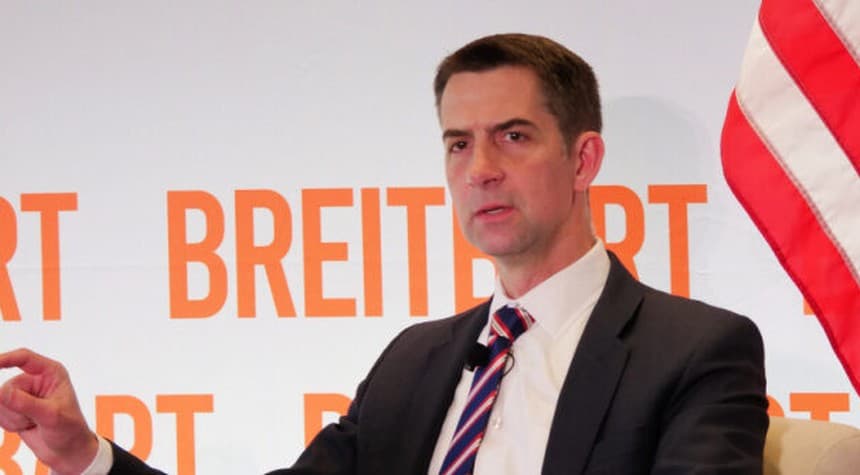
Senator Tom Cotton of Arkansas has introduced legislation that confronts this uncomfortable reality head-on. The "Securing America's Drug Supply from Communist China Act" would require the Department of Health and Human Services and the Food and Drug Administration to ensure that pharmaceutical companies supplying the American market have no connections to the CCP, the People's Liberation Army, or related entities.
The issue runs deeper than most citizens understand. Over recent decades, China has systematically cornered the market on basic medicines that Americans depend on daily. We are not talking about cutting-edge cancer treatments or experimental therapies. We are talking about penicillin, heparin, and the pain relievers parents grab when their children run fevers in the middle of the night.
Cotton has been sounding the alarm on this vulnerability, explaining that China used what he calls "illegitimate means" to achieve this pharmaceutical dominance. The convenience we take for granted, that ability to walk into any store and purchase these medicines off the shelf, masks a dangerous dependence on a nation that does not share our interests or values.
The senator painted a stark picture of what this dependence could mean. Imagine a scenario where China decides to cut off that supply. A parent whose child develops an ear infection suddenly cannot obtain antibiotics. A patient managing chronic pain cannot find basic pain relievers. These are not hypothetical concerns but genuine national security vulnerabilities.
Beyond the strategic threat, there is a troubling safety record. Several documented cases exist of Americans falling ill or dying from substandard Chinese-manufactured drugs. When we outsource our pharmaceutical production to the lowest bidder, we gamble with American lives.
The legislation Cotton introduced would mandate comprehensive review processes. The FDA, working with the HHS Office of National Security, would examine both previously approved drugs and future applications. Any drug application from a company affiliated with the People's Republic of China, the Chinese Communist Party, or the People's Liberation Army would face automatic rejection.
The bill goes further. If a drug is determined to come from a CCP-affiliated company, it would be refused entry at the border. U.S. Customs and Border Protection would destroy such drugs without the opportunity for export. The legislation appropriates five million dollars to implement these protective measures.
Cotton framed the issue in terms that cut to the heart of the matter. While American pharmaceutical and biotech companies face mountains of red tape and regulatory hurdles that make building new manufacturing facilities increasingly difficult, we simultaneously green-light drugs from Chinese companies operating under the control of a communist regime.
The senator's statement on the legislation was direct and unambiguous. Relying on our chief adversary for lifesaving medicine endangers Americans and threatens national security. The solution is equally straightforward: ensure our drugs are not produced by companies affiliated with the Chinese Communist Party.
This legislation represents more than policy housekeeping. It addresses a fundamental question about American sovereignty and security. Can we call ourselves truly independent when we depend on a hostile foreign power for the medicines that keep our families healthy and our nation functioning? The answer, increasingly clear, is that we cannot afford such dependence any longer.
Related: House Republicans Block Democratic Effort to End Iran Military Operations