New Senate Rule Docks Pay During Government Shutdowns But May Not Prevent Future Closures
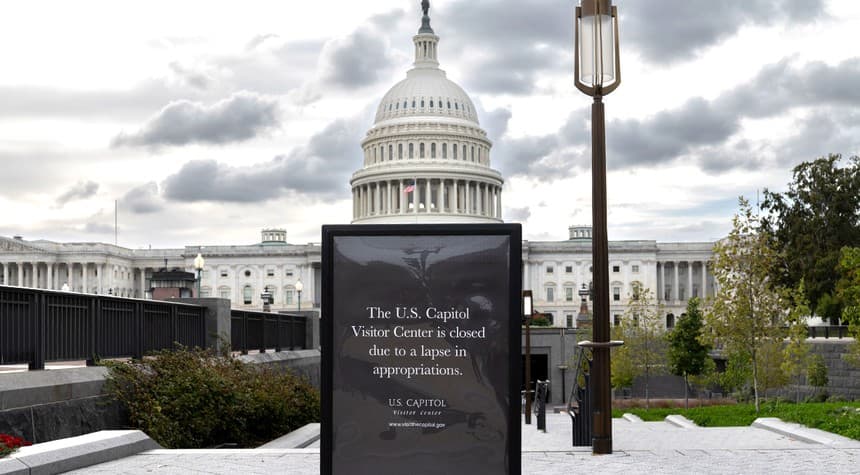
The United States Senate has unanimously agreed to forgo their paychecks during future government shutdowns, withholding their pay until a deal is struck to reopen the government. But here is the hard truth that needs saying: for most senators, missing a paycheck amounts to little more than pocket change.
The resolution, championed by Sen. John Kennedy of Louisiana, represents an attempt to create accountability in a chamber where nearly three-quarters of members are millionaires, according to an analysis of financial disclosure data. The question that demands answering is whether this measure will actually prevent the political gamesmanship that has led to increasingly frequent government closures.
"There are some members who are very independently wealthy that their congressional paycheck is a rounding error to their investments," Sen. James Lankford of Oklahoma explained candidly. "Fine, I'm not pejorative of that at all. But we need to actually end government shutdowns."
The numbers tell a sobering story. In the past year alone, Congress has failed to keep the government open twice. The first shutdown lasted 43 days, the most recent stretched to 76 days. Federal workers went without pay while the people's representatives engaged in political standoffs.
Republicans harbor concerns that before the midterm elections and before this rule change becomes official, Senate Democrats may attempt to shutter the government again to gain political advantage. The hope is that Kennedy's resolution will convince at least some lawmakers to think twice before using government funding as a bargaining chip.
Yet the reality remains stark. When your personal wealth runs into the millions, the threat of missing a few thousand dollars in salary hardly constitutes meaningful pressure.
"It certainly doesn't stop future shutdowns," Lankford acknowledged with characteristic bluntness. "It just says, 'Hey, people are not being paid, we're not being paid either.'"
Still, some senators view this measure as a first step toward more substantive reform. Sen. Bernie Moreno of Ohio, himself among the wealthier members of the Senate, believes Kennedy's resolution could pave the way for additional legislation that would make government shutdowns a relic of the past.
"It's about brick by brick, rebuilding confidence in the institution," Moreno said.
Lankford has proposed legislation that would automatically extend government funding on a temporary, two-week basis if lawmakers miss funding deadlines. Such a measure would remove the shutdown weapon from the political arsenal entirely, ensuring that federal workers and essential services never become pawns in legislative disputes.
The fundamental question remains whether symbolic gestures will translate into genuine reform. The American people have watched government shutdowns become increasingly routine, with real consequences for federal employees who live paycheck to paycheck. Meanwhile, their elected representatives debate solutions while insulated by personal fortunes.
This resolution represents progress, however incremental. But the test will come when political tensions rise and the temptation to use a shutdown as leverage becomes irresistible. Will senators who face no financial hardship from missing paychecks truly change their behavior? Or will it take more substantial reforms to end the cycle of shutdowns that has plagued recent Congresses?
The answers to these questions will determine whether this unanimous vote marks a turning point or merely another well-intentioned measure that fails to address the underlying dysfunction.
Related: White House Finalizes Deal for Government Weaponization Compensation Program