Mike Pence Says Trump Rejected Isolationist Voices With Iran Strike Decision
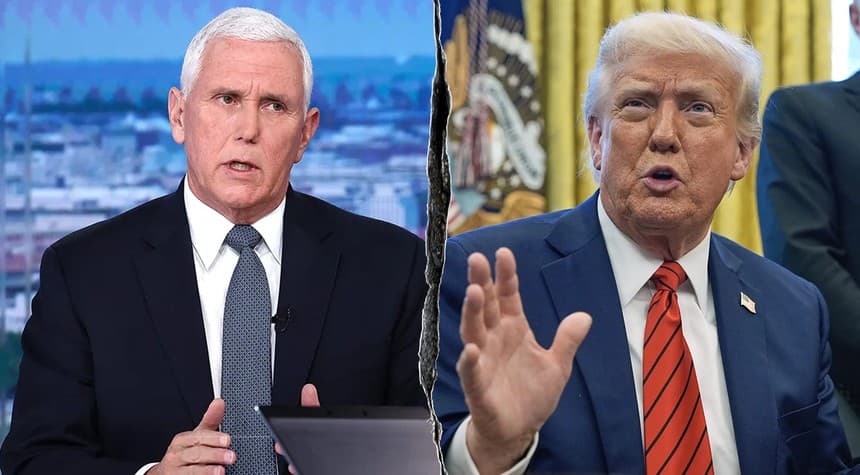
There are moments in politics when the rubber meets the road, when a leader must choose between competing voices within his own camp. According to former Vice President Mike Pence, President Donald Trump faced exactly that kind of moment when he ordered military strikes against Iran, and the president chose action over caution.
In an exclusive interview this week, Pence offered pointed praise for Trump's decision to launch the military operation, now nearly three weeks old. More significantly, the former vice president characterized the strikes as evidence that Trump has refused to bow to what Pence calls the "isolationist wing" of the Republican Party.
"It's one of the things I give President Trump great credit for," Pence said, emphasizing that the president chose to "take the fight directly" to Iran despite vocal opposition from within conservative circles.
The timing of Pence's comments carries weight. The Iran strikes have generated considerable controversy among certain populist and anti-war factions within the MAGA and America First movements. These voices, some quite prominent, have sharply criticized the military operation as an unnecessary entanglement in Middle Eastern affairs.
This internal Republican tension reveals a fundamental debate about America's role in the world. On one side stand those who advocate for a more restrained foreign policy, arguing that American military power should be reserved for direct threats to the homeland. On the other stand figures like Pence who believe that projecting strength abroad prevents larger conflicts at home.
The former vice president's willingness to publicly defend Trump's decision, even as it draws fire from within the conservative movement, speaks to his conviction that the strikes represent sound policy. It also highlights the delicate balance Trump must maintain between different constituencies within his political coalition.
Pence served alongside Trump for four years, giving him an insider's perspective on how the president weighs military decisions. His assessment that Trump "turned a deaf ear" to isolationist pressure suggests a president willing to follow his own strategic judgment regardless of political convenience.
The Iran strikes themselves have targeted military infrastructure and oil facilities, actions designed to degrade Tehran's capacity to threaten American interests and allies in the region. Supporters argue these operations demonstrate American resolve and deter future aggression. Critics counter that such interventions risk drawing the nation into prolonged conflict without clear objectives.
This debate is not new to American conservatism. The Republican Party has long housed both interventionist and non-interventionist camps, from the pre-World War II isolationists to the post-Cold War debates about nation-building. What makes the current moment distinctive is how these competing visions are playing out within a movement that has largely coalesced around Trump's leadership.
Pence's comments suggest he believes history will vindicate the president's approach. Whether the broader conservative movement agrees remains an open question, one that will likely influence Republican foreign policy debates for years to come.
For now, Trump appears committed to his chosen course, and Pence stands ready to defend it. The question facing the Republican Party is whether it will follow suit or continue to wrestle with fundamental disagreements about American power and its proper use.
Related: Mullin Confirmation Hearing Exposes Republican Tensions Over DHS Leadership