Kennedy Points to Ideological Shift That Transformed Late Night Television
There comes a time in the life of any cultural institution when the mirror must be held up, and the reflection examined with clear eyes and an honest heart. That moment has arrived for late-night television.
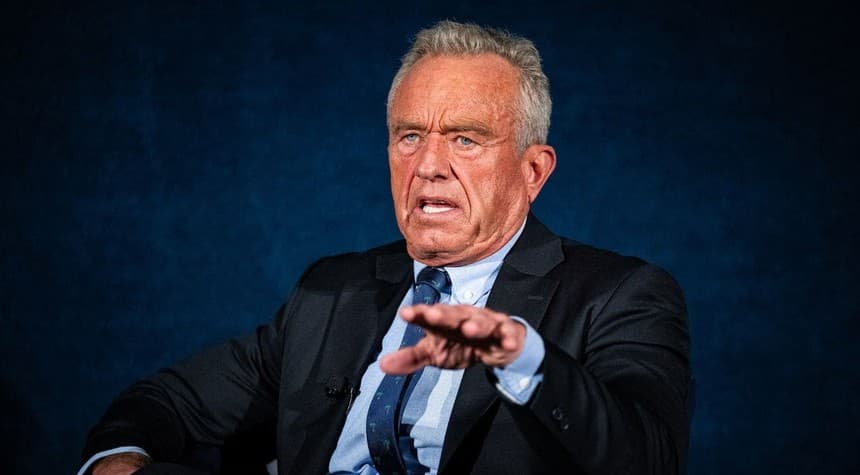
Health and Human Services Secretary Robert F. Kennedy Jr. drew attention this weekend to a viral satirical thread that cuts to the bone of what happened to liberal comedy in America. The post, which Kennedy called a "superb dissection of the shocking collapse of liberal comedy," attempts to explain how we arrived at a place where a late-night host can declare without irony that being funny is not part of his job description.
The thread in question came from Peter Girnus, who wrote it in the voice of a fictional network executive explaining the strategic decisions behind Stephen Colbert's transformation from Comedy Central provocateur to his current incarnation. The satire lands because it rings with uncomfortable truth.
"We killed the character and put the real man on stage," Girnus wrote in his mock-executive voice. "The real man was a lecturer. Earnest. Thoughtful. Correct about everything. Correct is not funny."
There lies the heart of the matter. Comedy requires risk, irreverence, and a willingness to puncture the pretensions of the powerful, regardless of their political stripe. What happened instead was a transformation of the late-night format from entertainment into something closer to ideological affirmation, a nightly ritual of preaching to the converted.
Kennedy specifically referenced Jimmy Kimmel's recent comments about his role as a comedian, suggesting the satirical thread provides the best explanation for why such a statement could be made without apparent self-awareness. The Health Secretary noted that Kimmel "was hired as a comedian but he made himself a priest."
The observation cuts deeper than simple political point-scoring. It speaks to a broader cultural shift in which entertainment became subordinated to messaging, where the primary goal shifted from making audiences laugh to making them feel morally superior. That is a transaction that may satisfy in the short term but ultimately leaves everyone poorer.
The timing of Kennedy's comments coincides with the end of an era in late-night television. The format that once featured Johnny Carson's apolitical wit and David Letterman's anarchic irreverence has given way to something fundamentally different. Whether this represents evolution or devolution depends largely on whether one believes the primary purpose of comedy is to comfort or to challenge.
What cannot be disputed is that the audience has rendered its verdict. Ratings have declined, cultural relevance has waned, and the conversation has moved elsewhere. When a comedian must explain that being funny is not the job, perhaps the job itself has been fundamentally misunderstood.
The question now is whether the format can find its way back to its roots, or whether late-night television as we knew it has run its course. Comedy, at its best, should unite audiences in laughter at our shared human foibles. When it instead divides them into the enlightened and the benighted, it ceases to be comedy at all.
That is a lesson worth remembering, regardless of one's political persuasion. The court jester who becomes a scold may please the king, but he will not long hold the attention of the court.
Related: Armed Gunman Shot Dead Near White House in Latest Security Breach