Former Victoria's Secret CEO Tells Congress He Was Conned by Jeffrey Epstein
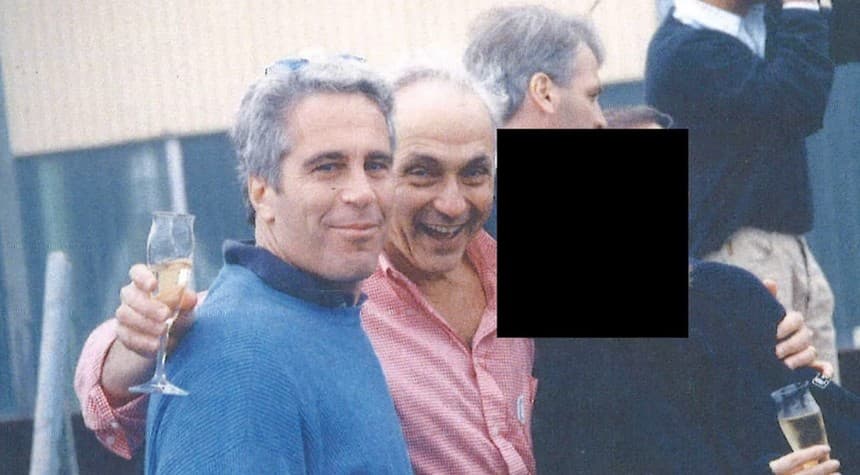
The questions that matter in Washington often get asked behind closed doors, and that is exactly where Les Wexner found himself this week, sitting in his Ohio home for six hours answering questions nobody wants to answer about a man nobody wants to remember.
The 88-year-old billionaire who built the Victoria's Secret empire appeared via remote testimony before the House Oversight Committee, subpoenaed as part of the ongoing congressional probe into Jeffrey Epstein's web of criminality and influence. What emerged from his prepared statement was a familiar refrain from those who once orbited Epstein's world: I was fooled, I knew nothing, I cut ties long ago.
"I was conned," Wexner told lawmakers, according to his prepared remarks. He went further, stating unequivocally that he "never witnessed nor had any knowledge of Epstein's criminal activity" and insisting he severed all connections with the disgraced financier nearly two decades ago upon learning he was "an abuser, a crook, and a liar."
The testimony raises more questions than it answers, which is often the case when powerful men are called to account for their associations. Wexner's name appears repeatedly throughout Justice Department records related to Epstein, and some have alleged he served as more than just a wealthy patron, suggesting instead he was a co-conspirator. Wexner denies this categorically.
"I have done nothing wrong and have nothing to hide," he declared in his statement. His representatives emphasized afterward that he "honestly answered every question" posed by committee members.
But not everyone in that virtual hearing room was buying what Wexner was selling. Representative Robert Garcia painted a starkly different picture during a break in the proceedings, arguing that Wexner was attempting to "downplay" the depth of his relationship with Epstein. Garcia's assessment was blunt and damning: without Wexner's support, there would have been no Epstein island, no private plane, no money to traffic women and girls.
Representative Stephen Lynch was equally skeptical, stating plainly that given the evidence presented, he believes Wexner "knew about this and failed to stop it."
The facts are these: Wexner maintained a lengthy relationship with Epstein, who managed the billionaire's personal finances for more than a decade. That is not a casual business arrangement. That is the kind of relationship built on trust, access, and intimate knowledge of one another's affairs.
The committee has promised to release both video and transcript of the deposition soon, which will allow the American people to judge for themselves whether Wexner's testimony holds water or springs leaks under scrutiny.
What remains troubling is the pattern we have seen repeated in the Epstein saga. Powerful, intelligent, successful individuals all claim they were somehow hoodwinked by a man whose criminal predations were, according to multiple accounts, hiding in plain sight. Either these titans of industry possess remarkably poor judgment about the company they keep, or the full truth about Epstein's network of enablers has yet to be told.
The deposition lasted six hours. The questions about who knew what and when will likely persist far longer.
Related: Democratic Lawmakers Plan State of the Union Boycott for National Mall Rally